
 Wisdom Tooth Removal
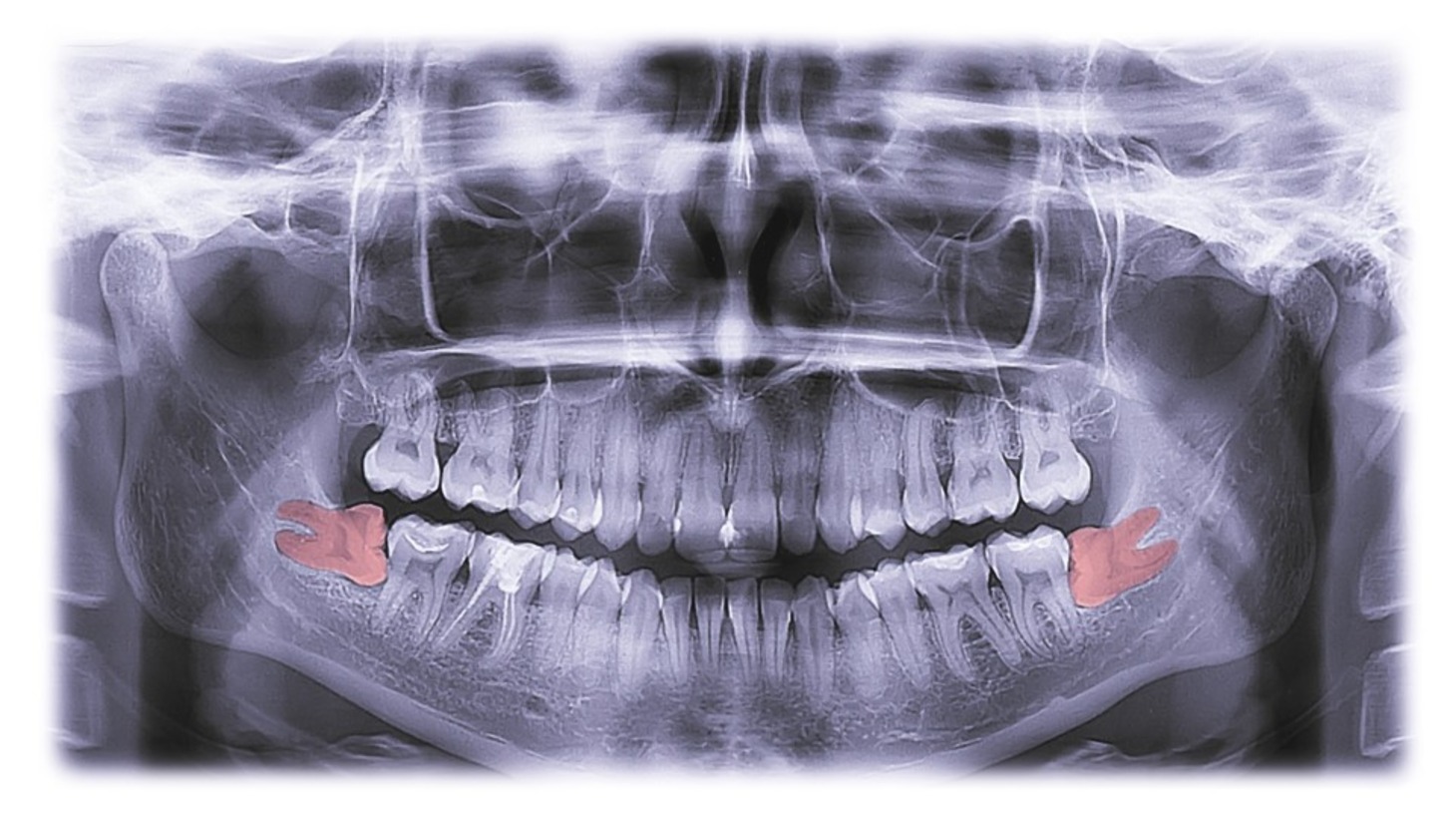
Wisdom Tooth Removal is a dental procedure designed to extract the third molars, commonly known as wisdom teeth, which often emerge between ages 17 and 24. These molars can cause issues such as impaction, infection, and misalignment due to insufficient space.
The removal process, performed through extraction or surgery, aims to alleviate pain, prevent complications, and enhance overall oral health. Recovery typically involves minimal discomfort, swelling, and a brief healing period, ensuring a healthier and more comfortable dental state.

Wisdom Tooth Removal provides relief from pain and discomfort, prevents potential dental issues, and promotes overall oral health.
Prevention of Pain and Discomfort
Wisdom tooth removal can prevent pain and discomfort associated with various issues such as impaction, misalignment, or infections. By addressing these issues early through extraction, individuals can avoid the ongoing discomfort and potential complications that may arise.Prevention of Oral Health Problems
Removing wisdom teeth can prevent potential oral health problems, including tooth decay, gum disease, and damage to adjacent teeth. Wisdom teeth, especially when impacted, can be challenging to clean properly, leading to a higher risk of dental issues. Extraction helps maintain overall oral health and prevents the development of more extensive problems.Prevention of Jaw and Bite Issues
Wisdom teeth, if left untreated, can contribute to jaw and bite issues. Impacted or misaligned wisdom teeth may disrupt the natural alignment of other teeth, leading to bite problems and discomfort. Wisdom tooth removal can help maintain proper jaw alignment and prevent long-term issues related to the bite.Reduced Risk of Infections
Impacted wisdom teeth can create pockets where bacteria can accumulate, leading to infections and inflammation. Removal of wisdom teeth reduces the risk of infections, promoting better oral health and avoiding the need for extensive treatments to address complications.Wisdom tooth removal becomes necessary to address potential dental problems associated with impacted wisdom teeth. Impaction occurs when there isn't enough space for wisdom teeth to emerge properly, leading to pain, discomfort, and potential damage to adjacent teeth.
Removal of these problematic teeth is a proactive measure to prevent complications and maintain overall oral health. Additionally, it helps avoid issues like misalignment and infection caused by insufficient space. Wisdom tooth removal is a preventive and therapeutic procedure that contributes to a healthier and more comfortable oral environment.
Wisdom teeth should be removed if they cause pain, impaction, infection, misalignment, or other dental issues.
The procedure is performed under anesthesia, ensuring minimal pain during the extraction or surgical process.
Recovery typically takes a few days to a few weeks, with mild discomfort, swelling, and adherence to post-operative care instructions.
Risks are minimal but may include prolonged pain, swelling, bleeding, or infection, requiring prompt consultation with a dentist.
Initially, it's recommended to eat soft foods, gradually transitioning to a normal diet as the healing progresses.
You can start gently brushing your teeth the day after the surgery, avoiding the surgical sites to prevent disruption of blood clots.


Yogasudha Dental Care – Crafting Radiant Smiles, One Appointment at a Time. Your Trusted Partner for Exceptional Dental Care.
© 2024. All Rights Reserved by Yogasudha Dental Care.
 About Us
 Services
 Appointment
 Testimonials
 Contact Us
 Dental Implant
 Full Mouth Rehabilitation
 Orthodontic Treatments
 Invisible Braces
 Kids Dentistry